
Hey there, future marathoner!
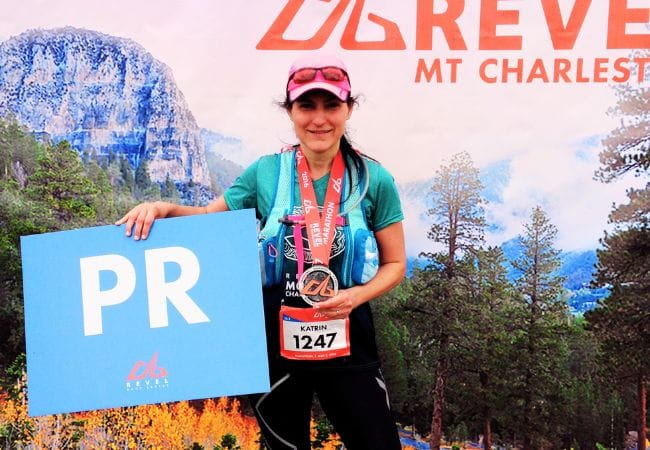
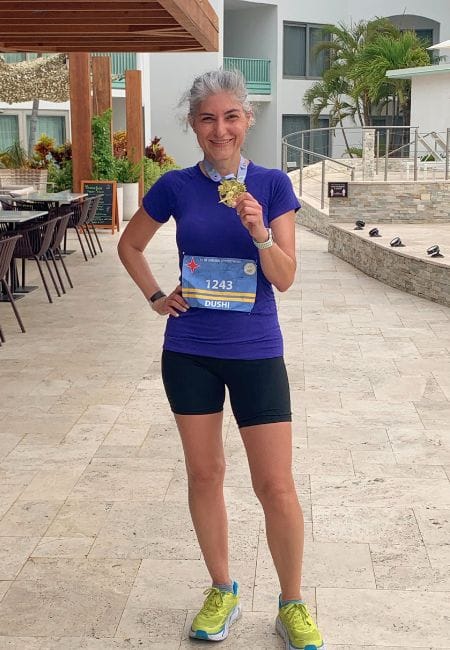
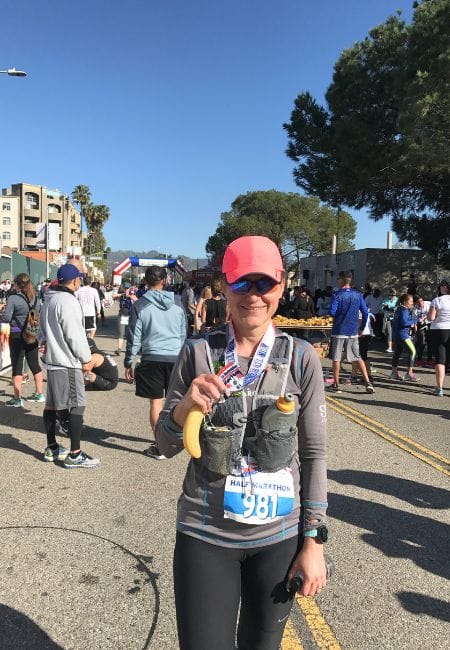
If you’re reading this, you’re probably thinking about running your first marathon—and you’re over 40. Let me just say this: You’re not late to the game, you’re right on time.
As someone who’s logged thousands of miles and mentored more than a few first-timers, I can tell you from the heart—and from the science—that midlife is actually an incredible time to start your marathon journey.
Why Your First Marathon After 40 Could Be Your Greatest Achievement
Recent findings from the Journal of Sports Medicine (2023) show that women starting marathon training in midlife often outperform younger runners in key areas:
- Better pacing judgment
- Lower injury rates
- Higher race completion rates
Why? Experience, discipline, and a deeper understanding of your body. You’ve got life smarts—and now you’re about to get running smarts, too.
The Science Behind Midlife Marathon Power
Don’t let the age myths fool you. Research from the International Journal of Sports Physiology and Performance found that women over 40:
- Burn fat 23% more efficiently during long runs
- Experience 15% less muscle damage post-race
- Show stronger mental resilience in training
That’s not just feel-good fluff. That’s biology working for you.
Start Smart: Pre-Training Assessments
Before you lace up and log miles, check in with your body:
Get medical clearance: Cardiovascular screening, bone density check, and a hormonal profile are musts.
Do a gait analysis: Knowing how you move helps prevent injuries.
Baseline fitness
You should be able to:
- Run 30 minutes non-stop
- Walk/run 5 miles
- Stick to 3 runs/week comfortably
The 20-Week Training Plan That Works
Here’s the structure I recommend—and have seen work—for first-timers over 40:
🏗 Phase 1: Build Your Base (Weeks 1–4)
- 15–20 miles/week
- Long run: 5–7 miles
- Cross-training: 2x/week
🏃♀️ Phase 2: Build Endurance (Weeks 5–8)
- 20–25 miles/week
- Long run: 8–10 miles
- Add tempo runs
- Strength train 2x/week
🔥 Phase 3: Go Marathon-Specific (Weeks 9–16)
- 30–35 miles/week
- Long runs up to 20 miles
- Include marathon-pace efforts
- Take every 4th week as a recovery week
🧘♀️ Phase 4: Taper Smart (Weeks 17–20)
- Cut mileage gradually
- Prioritize sleep, recovery, and mental prep
- Dial in your nutrition
What a Smart Training Week Looks Like
- Monday: Active recovery or cross-train (bike, yoga, swim)
- Tuesday: Easy run (conversational pace, 45–60 mins)
- Wednesday: Strength training (core & legs are key!)
- Thursday: Tempo run (build that race engine!)
- Friday: Rest or gentle movement
- Saturday: Long run (your most important workout)
- Sunday: Full rest and recovery
Midlife Marathon Rules to Run By
Don’t skip recovery
- Midlife runners who under-recover are 40% more likely to get injured.
- Sleep 7–9 hours. Prioritize active recovery.
Don’t neglect strength training
- Regular strength work reduces injury risk by 35%
- Focus on core and glutes. Your running form will thank you.
Don’t ramp up mileage too fast
- Stick to the 10% rule
- Listen to your body—especially around hormonal cycles
Don’t overlook nutrition
- Aim for 1.6–1.8g protein/kg body weight
- Check your iron, calcium, and vitamin D levels regularly
What Happens to Your Body During Training (Spoiler: It’s Awesome)
Science says that over 20 weeks, your body becomes a marathon machine:
- VO2 max can improve by 15–20%
- You’ll process lactate 25% more efficiently
- Fat-burning efficiency can go up 30%
This is why you’ll feel more energized as you train, not just after the race.
Hormones Matter—Here’s How to Work With Them
Midlife means perimenopause or menopause may be in the mix. That’s not a setback—it’s just another variable to manage.
- Track symptoms
- Avoid too many high-intensity workouts back to back
- Respect rest days like they’re part of your training (because they are)
Gear You’ll Want (and Need)
- Shoes: Replace every 400–500 miles. Get fitted.
- Recovery tools: Foam rollers, compression socks, recovery sandals
- Tech: GPS watch to track heart rate and pace—know your effort zones
Fuel Like a Pro

Before Long Runs
- Eat 300–400 calories 2–3 hours before
- Complex carbs, moderate protein, hydrate
During Runs
- 30–60g carbs/hour
- Drink 4–6 oz every 15–20 minutes
- Electrolytes are your friend
After Runs
- Eat within 30 mins (4:1 carb to protein ratio)
- Rehydrate with 150% of fluid lost
Race Week Game Plan
7 days out: Cut mileage in half, boost carbs, sleep well
Race morning:
- Wake 3 hours before gun time
- Eat something familiar
- Arrive at the start with time to spare
During the race:
- Start slower than you think (10–15%)
- Fuel every 45 mins
- Hydrate early and often
You Might Hit These Challenges—Here’s How to Conquer Them
⏰ Time management
- Train early
- Plan weekends smart
- Get family support
🛌 Recovery needs
- Sleep like it’s your secret weapon—because it is
🚑 Injury risk
- Strength train, stretch, listen to warning signs

Signs You’re Ready for the Big Day
✔️ You’ve completed at least 80% of your training
✔️ You’ve done three long runs over 16 miles
✔️ You’ve practiced race-day fueling
✔️ You feel strong—physically and mentally
One Final Mile of Advice
Running your first marathon after 40 isn’t just possible—it can be life-changing. You’re training smarter, recovering better, and bringing a level of grit and perspective that younger runners often don’t have yet.
So let’s lace up, trust the process, and go the distance. I’ll see you at the finish line.
Want help building your personal training plan or choosing the right gear? Drop a comment below—I love helping new runners crush their goals!