
I have been running for twenty two years. At 50, I considered myself stronger than ever—until that first sharp pain at the back of my heel refused to go away. “It’s just a little stiffness,” I told myself, lacing up for my usual morning five-miler.
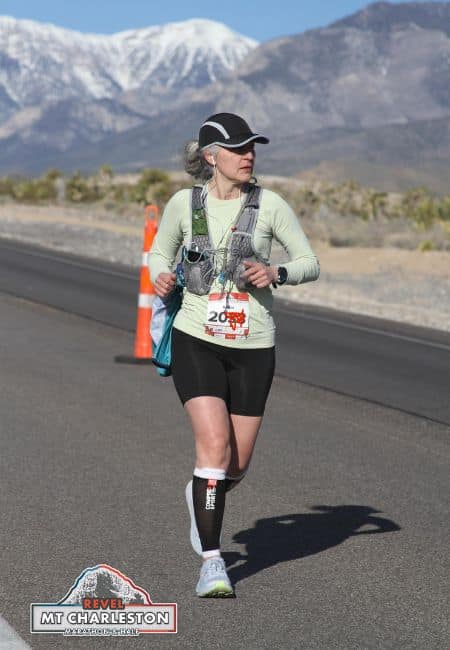
Three months later, that “little stiffness” had become a constant companion, making even walking downstairs a painful ordeal.
If you’re a woman over 50 who runs, you’ve likely noticed that your body responds differently than it did a decade ago.
Perimenopause brings a cascade of changes that affect everything from sleep to metabolism—and yes, even your tendons.
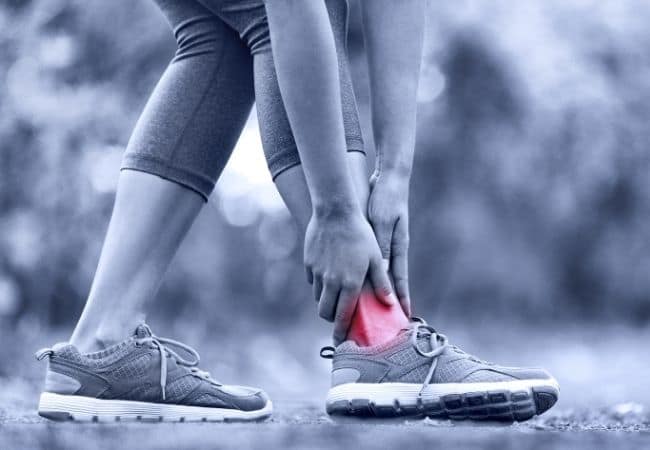
Insertional Achilles tendinitis, a specific type of heel pain that occurs right where your Achilles tendon attaches to your heel bone, is increasingly common among women in this life stage.
Yet it’s often misunderstood, misdiagnosed, or dismissed as “just part of getting older.”
Here’s what you’ll discover in this post: You’ll learn exactly what insertional Achilles tendinitis is and why it targets women over 50, recognize the early warning signs before minor pain becomes a major problem, understand the unique hormonal factors that make perimenopause a critical time for tendon health, and gain a clear, actionable recovery plan designed specifically for women runners who want to keep moving.
You don’t have to accept chronic heel pain as your new normal. Let’s dive into understanding this injury—and more importantly, how to overcome it.
What Exactly Is Insertional Achilles Tendinitis?
Think of your Achilles tendon as a thick, fibrous rope connecting your calf muscles to your heel bone. Insertional Achilles tendinitis occurs at the very bottom of this “rope”—specifically where it inserts into the calcaneus (heel bone).
Unlike mid-portion Achilles tendinitis, which affects the middle section of the tendon, insertional tendinitis creates pain and inflammation right at the attachment point.
What makes it different:
- Location matters: The pain concentrates at the lowest part of your Achilles, often with a visible bump or bony prominence
- Morning misery: Your first steps out of bed are typically the worst, with stiffness that may ease slightly with movement but returns after rest
- Bone involvement: This type often develops alongside heel spurs or calcification within the tendon itself
- Stubborn nature: Insertional Achilles tendinitis notoriously takes longer to heal than other forms of tendinitis
The pain might start as a dull ache after your run, but it can progress to sharp, stabbing sensations with each step. You might notice thickening at the back of your heel, tenderness when you touch the area, or difficulty wearing certain shoes that press against the tender spot.
Why Women Over 50 Are Particularly Vulnerable
Here’s the truth nobody talks about in most running circles: perimenopause fundamentally changes your connective tissue. And your Achilles tendon? It’s entirely connective tissue.
The Estrogen Connection
Estrogen isn’t just about reproductive health—it’s a master regulator of collagen production and tendon resilience. As estrogen levels fluctuate and decline during perimenopause, several things happen:
- Collagen synthesis slows down: Your body produces less of the structural protein that keeps tendons strong and elastic
- Tendon stiffness increases: The tendons become less pliable, more prone to microtears with repetitive stress
- Healing capacity diminishes: Recovery from micro-damage takes longer, allowing small injuries to accumulate
- Inflammation becomes more persistent: The body’s inflammatory response becomes both more reactive and slower to resolve
Research shows that women experience a significant increase in tendon injuries during perimenopause—and it’s not because you’re suddenly running more or training harder. Your tissues are literally changing at the cellular level.

Beyond Hormones: The Perfect Storm
Combine hormonal changes with other factors common in this life stage:
- Decades of cumulative impact: Twenty or thirty years of running adds up, creating wear patterns in your tendons
- Altered biomechanics: Changes in body composition, muscle mass, and flexibility affect how forces distribute through your feet and ankles
- Medication effects: Certain antibiotics (fluoroquinolones), statins, and corticosteroids can weaken tendon integrity
- Nutritional shifts: Changing metabolism can affect protein absorption and collagen-building blocks
- Sleep disruption: Poor sleep during perimenopause impairs tissue recovery and increases inflammation
Does this mean you should hang up your running shoes? Absolutely not. But it does mean you need a smarter, more targeted approach to both prevention and recovery.
How Insertional Achilles Tendinitis Develops: The Warning Signs You Shouldn’t Ignore
Understanding how this injury develops is your first line of defense. Insertional Achilles tendinitis rarely appears overnight—it builds gradually, often giving you multiple opportunities to intervene before it becomes debilitating.
Stage 1: The Whisper (Early Warning)
- Mild stiffness at the back of your heel when you first wake up
- Slight discomfort during the first few minutes of your run that “warms up” and disappears
- Occasional tenderness when you press on the lower Achilles
- No visible swelling or changes in appearance
 What’s happening: Microscopic tears are beginning to accumulate faster than your body can repair them. The tendon is sending you gentle signals.
Critical mistake at this stage: Ignoring the signals because the pain goes away once you’re moving. This is your golden window for prevention.
Stage 2: The Conversation (Persistent Symptoms)
- Morning stiffness lasts 15-30 minutes
- Pain appears during runs, especially on hills or uneven terrain
- Post-run soreness that lingers for hours or into the next day
- Mild thickening or a small bump at the heel attachment
- Pain when wearing shoes with rigid heel counters
What’s happening: The tendon damage is outpacing repair. Inflammation is becoming chronic, and the body may be starting to lay down scar tissue or calcium deposits.
Critical mistake at this stage: The “push through” mentality. You can still run, so you do—but every run is making the problem worse.
Stage 3: The Shout (Chronic Condition)
- Constant pain even at rest or with walking
- Significant morning stiffness lasting an hour or more
- Visible swelling, thickening, or bony prominence at the heel
- Unable to run without severe pain
- Pain radiating up the Achilles or into the heel
What’s happening: You’re dealing with significant structural changes—the tendon may be degenerated, there may be bone spurs, and chronic inflammation has taken hold.
The reality check: Recovery at this stage requires serious intervention and patience. But recovery is still absolutely possible.
Common Triggers for Women Over 50
Pay attention to these specific scenarios that often precipitate insertional Achilles tendinitis:
- The enthusiastic comeback: Returning to running after a break with too much volume or intensity
- The race goal: Ramping up training for an event without adequate progressive loading
- The shoe switch: Changing to minimalist shoes or altering heel drop suddenly
- The terrain change: Adding significant hill work or trail running without adaptation
- The life stress spike: Major life changes that increase cortisol and impair recovery
The Solution: A Comprehensive Recovery Plan for Women Over 50
Here’s what I learned after finally addressing my insertional Achilles tendinitis: healing isn’t about finding one magic fix. It’s about addressing the problem from multiple angles simultaneously. Here’s your roadmap to recovery.
Phase 1: Immediate Relief and Protection (Weeks 1-2)
Your primary goal: Reduce inflammation and protect the tendon from further damage.
Action steps:
-
-
- Modify (don’t eliminate) activity
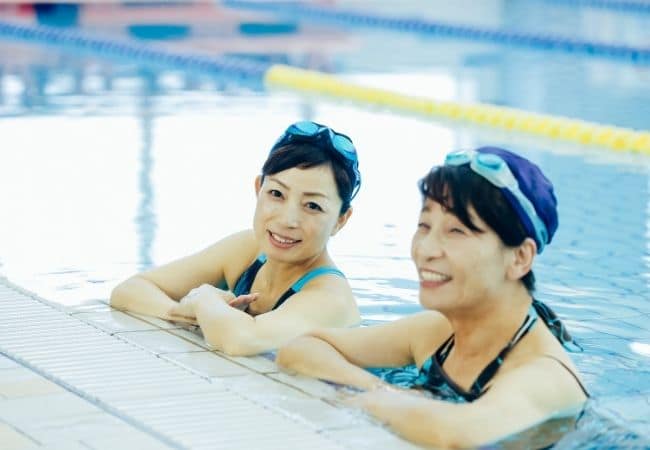
- Switch to non-impact cardiovascular exercise: swimming, deep-water running, cycling (if pain-free)
- If you must walk, limit duration and avoid hills
- No running until morning stiffness disappears completely
- Ice strategically
- Apply ice for 15-20 minutes after any activity
- Use an ice cup massage directly on the tender area
- Repeat 2-3 times daily
- Address footwear immediately
- Wear shoes with a slight heel lift (10-12mm drop)
- Choose soft, padded heel counters
- Consider heel lifts or cushioned insoles temporarily
- Go barefoot as little as possible
- Gentle range of motion
- Ankle pumps: Point and flex your foot gently, 20 repetitions, 3 times daily
- Ankle circles: Both directions, 10 each way
- Goal: Maintain mobility without aggravating symptoms
- Supplement support for perimenopause:
- Collagen peptides: 15-20 grams daily (take with vitamin C for better absorption)
- Omega-3 fatty acids: 2-3 grams daily to reduce inflammation
- Vitamin D: Maintain levels above 40 ng/mL for optimal tissue health
Phase 2: Progressive Loading and Strengthening (Weeks 3-8)
Your primary goal: Rebuild tendon capacity through carefully controlled stress.
The science: Tendons adapt to load. But at 50+, you need to be more methodical about applying that load progressively.Action steps:
- Begin eccentric exercises (the gold standard for Achilles recovery)
- Seated heel raises: Start here, both legs, 3 sets of 15
- Progress to standing double-leg heel raises: Lift on two legs, lower on two legs, 3 sets of 15
- Advance to eccentric-emphasis raises: Lift on two legs, slowly lower on the affected leg only, 3 sets of 15
- Perform daily, even if slightly uncomfortable (but not sharp pain)
- Add isometric holds (especially beneficial for insertional type)
- Single-leg calf raise position: Hold at the top for 30-45 seconds
- Perform 4-5 holds daily
- This builds tendon resilience without excessive motion
- Incorporate hip and glute strengthening
- Side-lying leg lifts: 3 sets of 15 each side
- Clamshells: 3 sets of 20 each side
- Single-leg bridges: 3 sets of 10 each leg
- Why it matters: Weak hips alter your gait and increase Achilles stress
- Test return to walking/running
- Week 4-5: Fast walking with no pain
- Week 6: Walk-jog intervals (1 minute jog, 4 minutes walk)
- Week 7-8: Gradually increase jogging portions
- Critical rule: If morning stiffness returns, you’ve progressed too fast
Phase 3: Return to Running and Long-Term Prevention (Weeks 9+)
Your primary goal: Safely rebuild mileage while implementing strategies to prevent recurrence.
Action steps:
- Follow the 10% rule religiously
- Increase weekly mileage by no more than 10% each week
- Women over 50 often do better with even more conservative progressions (5-7%)
- Restructure your training
- Easy days truly easy: 80% of your running should be at conversational pace
- Limit consecutive running days: Consider a run-cross train-run pattern
- Prioritize recovery: You need 48-72 hours between hard efforts now
- Continue strength work indefinitely
- Calf exercises: 3 times weekly minimum
- Hip and glute work: 2-3 times weekly
- This is now part of your running program, not separate from it
- Monitor for early warning signs
- Keep a simple pain diary: Rate morning stiffness 0-10 daily
- Any two consecutive days above 3/10: Take an immediate rest day
- Any score above 5/10: Take 2-3 days off
Professional Interventions Worth Considering
Sometimes self-management isn’t enough, especially with insertional Achilles tendinitis. Consider these options:
Physical therapy
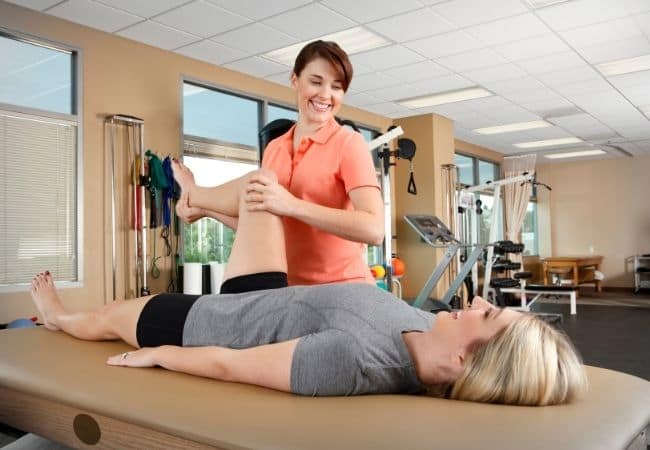
A PT specializing in running injuries can provide:
- Gait analysis to identify biomechanical contributors
- Manual therapy to address calf tightness and scar tissue
- Customized progressive loading programs
- Dry needling or other adjunctive treatments
Shockwave therapy (ESWT)
- Research shows promising results specifically for insertional Achilles tendinitis
- Typically requires 3-5 sessions
- Stimulates healing in chronic, degenerative tendons
Platelet-rich plasma (PRP) injections
- May accelerate healing in stubborn cases
- Best combined with progressive loading exercises
- Results vary; not a standalone solution
What to avoid
- Cortisone injections directly into the Achilles tendon (can cause rupture)
- Complete rest beyond the first 1-2 weeks (tendons need load to heal)
- NSAIDs for more than a few days (may impair tendon healing)
The Perimenopause Advantage: Hormonal Support Strategies
You can’t stop perimenopause, but you can support your body through it. These strategies specifically target the hormonal factors affecting tendon health:

Nutritional Strategies
Protein priority: Aim for 1.2-1.6 grams per kilogram of body weight daily
- Spread evenly across meals for optimal collagen synthesis
- Include vitamin C-rich foods with collagen or protein for enhanced absorption
Phytoestrogens: Foods containing plant-based estrogens may help moderate the decline
- Soy products, flaxseeds, chickpeas, lentils
- Won’t replace estrogen but may provide modest benefits
Anti-inflammatory diet:
- Emphasize omega-3 rich foods: fatty fish, walnuts, chia seeds
- Colorful vegetables and fruits for antioxidants
- Limit processed foods, excess sugar, and alcohol (all increase inflammation)
Hormone Therapy Consideration
If you’re experiencing multiple perimenopausal symptoms beyond tendon issues:
- Discuss hormone replacement therapy (HRT) with your doctor
- Emerging research suggests estrogen therapy may help maintain tendon health
- The decision is personal and depends on your overall health profile
Stress Management
Chronic stress elevates cortisol, which directly impairs tissue healing:
- Prioritize sleep (even if it’s challenging during perimenopause)
- Consider yoga, meditation, or breathwork practices
- Build rest days into your schedule without guilt
Real Talk: What Recovery Actually Looks Like
Let’s be honest about the timeline. Insertional Achilles tendinitis in women over 50 typically requires:
- 2-3 months for significant symptom improvement
- 4-6 months to return to normal running volume
- 6-12 months for complete resolution and confidence in the tendon
This isn’t a failure—it’s the reality of healing a degenerative tendon condition at 50+. But here’s the good news: almost every woman who commits to the process does recover fully.
My story has a happy ending. Eight months after my diagnosis, I completed a half marathon. But more importantly, I run pain-free now, at 53, with a deeper understanding of my body and what it needs. I do my calf exercises religiously, respect easy days, and actually enjoy the cross-training I initially resisted.
I’m a smarter runner now,” “Not a faster one, maybe. But definitely stronger and more sustainable.”

Conclusion
Insertional Achilles tendinitis doesn’t have to be the injury that ends your running story. Yes, it’s frustrating. Yes, it requires patience that feels at odds with your runner’s instinct to push forward. But understanding how perimenopause affects your tendons, recognizing the early warning signs, and implementing a comprehensive recovery strategy can get you back to the miles you love.
Your key takeaways:
- Insertional Achilles tendinitis is strongly linked to the hormonal changes of perimenopause—it’s not just “overuse”
- Early intervention is critical; don’t wait until morning stiffness becomes constant pain
- Recovery requires a multi-faceted approach: load management, progressive strengthening, nutritional support, and patience
- Women over 50 can absolutely recover fully and return to running, but the timeline is longer than you might want
- Prevention is ongoing—strength work and smart training become permanent parts of your routine
Your action step for today: If you’re experiencing any early warning signs, start now. Don’t wait for the pain to worsen. Begin with the Phase 1 interventions, schedule an appointment with a physical therapist who specializes in running injuries, and commit to treating your tendon health with the same attention you give your weekly mileage.
And if you’re already in the thick of this injury? Take a deep breath. You’re not broken. You’re a perimenopausal runner who needs a recalibrated approach. Your running comeback might be your strongest yet.
We want to hear from you: Have you dealt with Achilles tendinitis during perimenopause? What strategies helped you? Share your experience in the comments below—your story might be exactly what another runner needs to hear today.
FAQ: Your Insertional Achilles Tendinitis Questions Answered
Q: How do I know if it’s insertional Achilles tendinitis versus plantar fasciitis?
A: Location is key. Insertional Achilles tendinitis creates pain at the very back of your heel where the Achilles attaches, often with tenderness when you squeeze the sides of the tendon at its lowest point. Plantar fasciitis hurts on the bottom of your heel, typically worst with your first steps in the morning. If you’re unsure, a physical therapist or sports medicine doctor can perform specific tests to differentiate.
Q: Can I still do yoga or strength training while recovering?
A: Generally yes, with modifications. Avoid deep calf stretches, downward dog (puts significant load on the Achilles), and jumping movements. Focus on upper body work, core exercises, and hip strengthening. Always stop if an exercise creates pain in the affected area.
Q: Should I stretch my Achilles tendon?
A: This is controversial for insertional Achilles tendinitis. Aggressive stretching can actually aggravate the attachment point. Instead, focus on strengthening through progressive loading (eccentric exercises). If you do stretch, keep it gentle and don’t push into pain—think “mild tension” rather than “deep stretch.”
Q: Will I need surgery?
A: The vast majority of people recover with conservative treatment. Surgery is typically only considered after 6-12 months of comprehensive conservative care has failed. Because perimenopause-related Achilles issues are often rooted in systemic changes, addressing those factors (hormones, nutrition, loading patterns) usually leads to recovery without surgery.
Q: Why do my symptoms get worse in the afternoon or evening?
A: This is common with insertional Achilles tendinitis. The tendon accumulates microtrauma throughout the day with walking and activity, leading to increased inflammation and pain by evening. This pattern actually helps confirm the diagnosis and indicates you need to reduce daily loading temporarily.
Q: Can I still participate in a race I’ve registered for?
A: This depends entirely on your stage of injury and timeline. Early-stage insertional Achilles tendinitis with a race 4-6 months away? Possibly, with smart training modifications. Mid-stage pain with a race in 6 weeks? Not without risking significant worsening of the condition. Remember: missing one race is frustrating. Creating a chronic condition that ends your running for years is devastating. Choose wisely.
Q: How do I explain to my running group why I’m taking so much time off?
A: Be direct: “I’m dealing with insertional Achilles tendinitis, which takes longer to heal at my age because of hormonal changes. I’m working on a smart recovery plan so I can run for another 20 years, not just another 20 days.” Real runners understand. If they don’t, find a new running group—one that values longevity over ego.
This blog post is for informational purposes only and is not a substitute for professional medical advice. Always consult with a healthcare provider before beginning any treatment program for an injury.
- Modify (don’t eliminate) activity
-