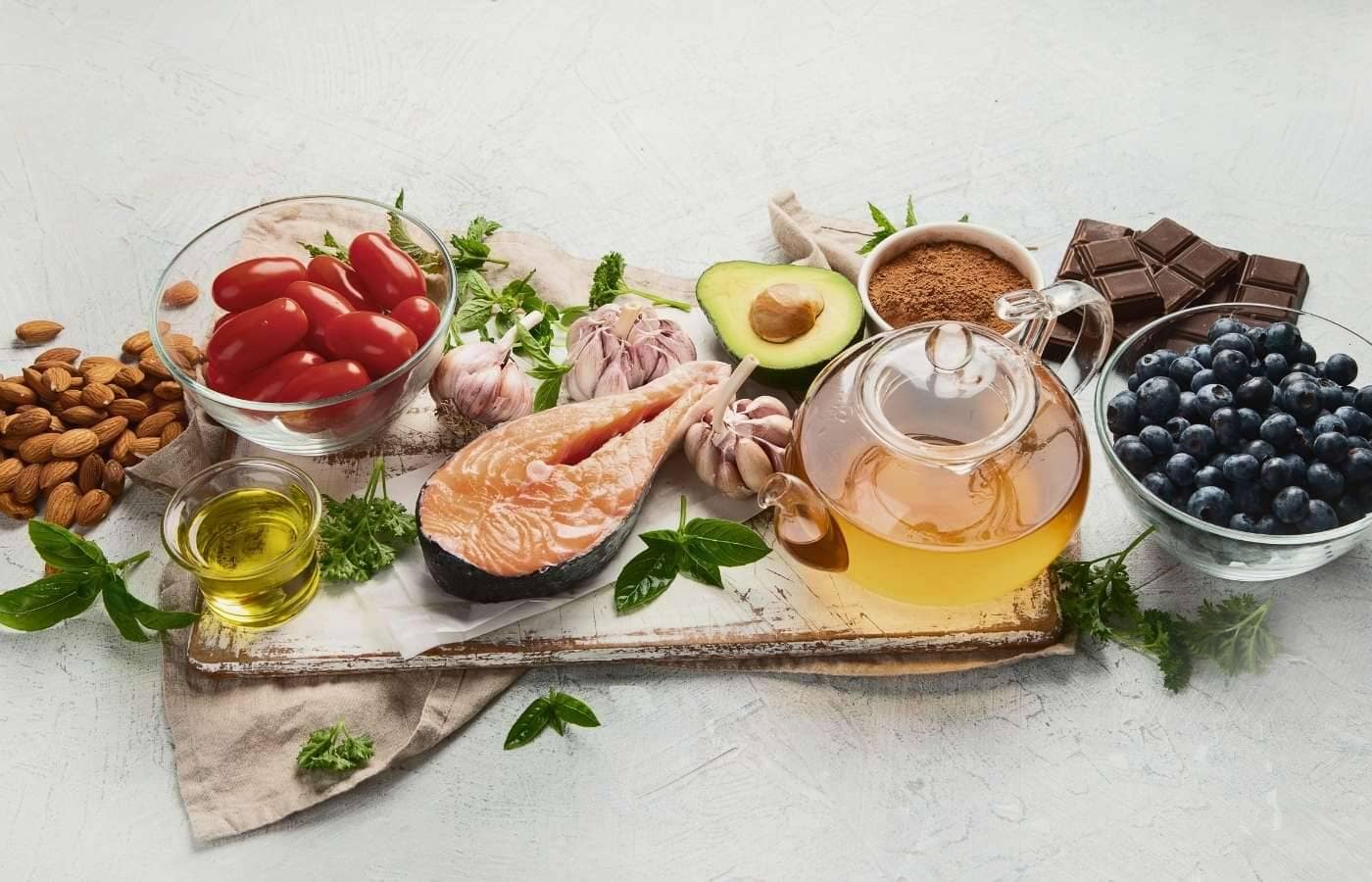
Nutrition for perimenopausal runners over 50 is no longer about “anti-aging foods” or generic Mediterranean advice.
It is about metabolic survival, muscle preservation, hormonal adaptation, and staying in the race without hormonal therapy.
At 53, still running and racing, I learned this the hard way:
The way I ate in my 30s stopped working.
The mileage was similar.
The discipline was there.
But my body responded differently.
More abdominal fat.
Slower recovery.
Energy dips I couldn’t explain.
This wasn’t lack of willpower.
It was physiology.
And once I understood the science behind fueling a changing hormonal system, everything shifted.
Why Nutrition Changes After 50 for Female Runners
Perimenopause and menopause bring significant hormonal changes, especially declining estrogen and progesterone.
Estrogen influences:
-
- Muscle protein synthesis
-
- Insulin sensitivity
-
- Fat oxidation
-
- Collagen production
-
- Inflammation regulation
Research published in Frontiers in Physiology confirms estrogen plays a direct role in muscle repair and metabolic function.
https://www.frontiersin.org/articles/10.3389/fphys.2020.00963/full
When estrogen declines:
-
- Fat storage shifts toward the abdomen
-
- Recovery slows
-
- Muscle mass decreases
-
- Insulin sensitivity declines
For endurance runners, this is critical.
You cannot fuel like you did at 35.
The Metabolic Reality of the Midlife Female Athlete
A study in The Lancet Diabetes & Endocrinology shows menopause transition increases central adiposity independent of calorie intake.
https://www.thelancet.com/journals/landia/article/PIIS2213-8587(22)00076-6/fulltext
Translation:
You may gain fat even without eating more.
Additionally:
Basal metabolic rate drops approximately 5–10% during menopause.
This means:
Caloric needs shift slightly downward — but protein needs increase.
The Three Nutritional Shifts That Changed Everything for Me at 53
Rewriting my fueling strategy without HRT required three major changes:
-
- Increasing protein significantly
-
- Timing carbohydrates strategically
-
- Reducing inflammatory processed foods
This wasn’t dieting.
It was recalibration.
Protein Becomes Non-Negotiable
Research in the Journal of the International Society of Sports Nutrition recommends 1.2–1.6 g/kg bodyweight protein for older active adults to preserve muscle mass.
https://jissn.biomedcentral.com/articles/10.1186/s12970-017-0189-4
In my 30s, I consumed ~0.8 g/kg.
At 53, I moved to 1.4 g/kg daily.
Result:
-
- Better recovery
-
- Less muscle soreness
-
- Improved body composition
-
- Reduced cravings
Muscle is metabolic currency at midlife.
Without adequate protein, you lose lean tissue — and that worsens metabolic slowdown.
Carbohydrates: Timing Over Elimination
Many women over 50 reduce carbs drastically.
For runners, that backfires.
Instead:
I shifted carbohydrate timing.
Higher carb intake:
-
- Pre-long runs
-
- Post-workout recovery window
Lower carb intake:
-
- Sedentary days
-
- Evenings
This stabilized blood sugar and reduced midsection fat gain.
Insulin sensitivity declines with menopause (Endocrine Reviews).
https://academic.oup.com/edrv/article/21/1/55/2531319
But carbohydrates are not the enemy.
Poor timing is.
Fat Intake and Hormonal Stability
Healthy fats support hormone production and inflammation control.
Focus on:
-
- Extra virgin olive oil
-
- Fatty fish (salmon, sardines)
-
- Walnuts
-
- Flaxseeds
Omega-3 fatty acids reduce inflammation and support cardiovascular health — critical for female endurance athletes.
American Heart Association reference:
https://www.heart.org/en/healthy-living/healthy-eating/eat-smart/fats
The Case Study: 53-Year-Old Marathoner Without HRT
Let’s make this practical.
-
- Strength training twice weekly
Initial symptoms:
-
- Abdominal weight gain
-
- Slower recovery
-
- Heavy legs
-
- Brain fog
Adjustments:
✔ Increased protein to 100–110 g/day
✔ Reduced ultra-processed snacks
✔ Carbs centered around workouts
✔ Added omega-3s
✔ Prioritized hydration and electrolytes
After 4 months:
-
- 3–4 lbs fat loss
-
- Lean mass maintained
-
- Faster recovery between hard sessions
-
- More stable energy
No hormones.
Just science-based nutrition.
This is what nutrition for perimenopausal runners over 50 actually looks like in practice.
Inflammation Control Is Critical
Declining estrogen increases inflammatory markers.
Chronic inflammation impacts:
-
- Tendon recovery
-
- Joint pain
-
- Muscle soreness
Anti-inflammatory dietary patterns emphasize:
-
- Leafy greens
-
- Berries
-
- Fatty fish
-
- Turmeric
-
- Green tea
Research in the Journal of Clinical Medicine supports Mediterranean-style dietary patterns reducing age-related disease risk.
https://www.mdpi.com/2077-0383/12/5/1892
But for runners, this must be paired with adequate protein.
Bone Density and Calcium Needs
Estrogen protects bone.
After menopause, bone resorption accelerates.
The National Institute on Aging recommends adequate calcium and vitamin D intake for postmenopausal women.
https://www.nia.nih.gov/health/osteoporosis
For runners, especially high-mileage athletes:
-
- Calcium ~1200 mg/day
-
- Vitamin D optimized via blood testing
Running alone does not protect bones if nutrition is inadequate.
Hydration Changes After 50
Thermoregulation changes in menopause.
Hot flashes, night sweats, and altered sweating patterns impact hydration.
Electrolyte balance becomes more important.
Sodium intake around long runs improves performance and recovery.
What to Limit (But Not Obsess Over)
For performance and hormonal stability:
-
- Excess refined sugar
-
- Highly processed seed oils
-
- Alcohol (especially near bedtime)
Alcohol disrupts sleep architecture — already fragile during perimenopause.
Sleep drives recovery.
Recovery drives performance.
The Emotional Shift Around Food
At 50+, dieting culture fades.
Fueling becomes intentional.
You no longer eat to be smaller.
You eat to be capable.
That mental shift is as important as macronutrient ratios.
Putting It All Together: Practical Daily Framework
Breakfast:
Protein-forward (eggs, Greek yogurt, berries)
Pre-run:
Banana + nut butter
Post-run:
Protein + carbohydrate within 60 minutes
Lunch:
Lean protein + leafy greens + olive oil
Dinner:
Fatty fish + vegetables + moderate carbs
Evening:
Light protein snack if needed
Consistency beats perfection.
Final Thoughts
Nutrition for perimenopausal runners over 50 is not about restriction.
It is about precision.
Your body is not broken.
It is changing.
When fueling adapts to hormonal reality:
-
- Recovery improves
-
- Body composition stabilizes
-
- Energy levels rise
-
- Confidence returns
At 53, still racing, I no longer chase what worked at 35.
I fuel for the body I have now.
And that is what keeps me in the game.