
The Silence That Speaks Volumes
Yesterday, I attended a women’s empowerment networking event in Bucharest. When I mentioned I wanted to discuss menopause and perimenopause, only one woman in the room expressed interest. The silence was deafening.
This experience crystallized something I’ve been thinking about for years: Why are we still so uncomfortable talking about perimenopause?
Here women gathered to discuss empowerment, networking, and giving ourselves a voice—yet the most fundamental aspect of women’s health was conspicuously absent from the conversation. We focus on appearances, professional achievements, and social connections, but shy away from discussing the hormonal transition that affects every woman who lives long enough to experience it.
I understand the discomfort. I was once there too. Even now, at 52, my voice softens when I say the word “perimenopause” aloud, as if I’m admitting to a shortcoming rather than stating a biological fact.
Understanding Perimenopause: The Science

What Is Perimenopause?
Perimenopause is the transitional period leading up to menopause, when the body undergoes significant hormonal changes. This phase typically begins in a woman’s 40s but can start earlier or later.
Key Scientific Facts:
- Duration: Perimenopause can last anywhere from 4 to 10 years, with an average duration of 4-5 years
- Hormonal Changes: Estrogen and progesterone levels fluctuate irregularly, causing unpredictable symptoms
- Definition: Menopause is officially diagnosed after 12 consecutive months without a menstrual period; everything before that is perimenopause
- Average Age: Most women experience menopause between ages 45-55, with the average age being 51
The Physiological Changes
During perimenopause, declining estrogen levels affect multiple body systems:
Reproductive System:
- Irregular menstrual cycles (shorter, longer, heavier, or lighter periods)
- Unpredictable ovulation patterns
Metabolic Changes:
- Decreased muscle mass and increased body fat percentage
- Slower metabolism
- Changes in how the body distributes fat (more around the abdomen)

Musculoskeletal System:
- Decreased bone density
- Increased susceptibility to injuries
- Reduced joint flexibility
- Longer recovery times from physical activity
Cardiovascular System:
- Changes in cholesterol levels
- Increased risk of cardiovascular disease
- Blood pressure fluctuations
The Psychological Impact
The hormonal fluctuations don’t just affect the body—they significantly impact mental health:
- Mood swings and irritability
- Anxiety and depression
- Brain fog and difficulty concentrating
- Sleep disturbances
- Changes in libido
These aren’t “all in your head”—they’re real physiological responses to hormonal changes affecting neurotransmitter function in the brain.
My Journey: When Perimenopause Hit Like a Freight Train
The Beginning: Age 45

I didn’t see it coming. One month, my cycle was off by 15 days. I was bedridden, exhausted, and in pain. I had zero energy for running, exercising, or even basic household tasks—this from someone who had always been active and energetic.
I took three pregnancy tests, convinced something must be seriously wrong. My marriage was ending, and I attributed everything to stress. But then the following month, my cycle came twice, and suddenly I was full of energy again, training hard, feeling like myself.
One month off, one month on. High energy, then crushing fatigue. Confusion and frustration.
My training suffered. My running pace slowed. I felt angry for no reason. I looked at my body differently—and I’d never struggled with body image before.
Finally, I saw my gynecologist. After hormone testing, I received the diagnosis: perimenopause.
I had never even heard the word before.
The Seven-Year Roller Coaster
That was seven years ago. I’m 52 now, and I’m still in perimenopause. No one told me it could last this long.
The resources I found—WebMD, Mayo Clinic—didn’t adequately prepare me for this extended journey.
Over these seven years, I’ve tried countless supplements, products, and approaches.
Many were useless. Some gave me allergies. Others simply didn’t work with my metabolism.
What I haven’t tried, and don’t intend to try, is Hormone Replacement Therapy (HRT).
This is a personal choice—I don’t believe I need to disrupt my natural aging cycle.
What I’ve been doing has worked for me, though I won’t pretend it’s been easy.
What Has Actually Worked: Exercise as Medicine
If I had to identify the single most important factor in managing my perimenopause symptoms, it would be exercise—specifically running and hiking.
Why Exercise Matters During Perimenopause
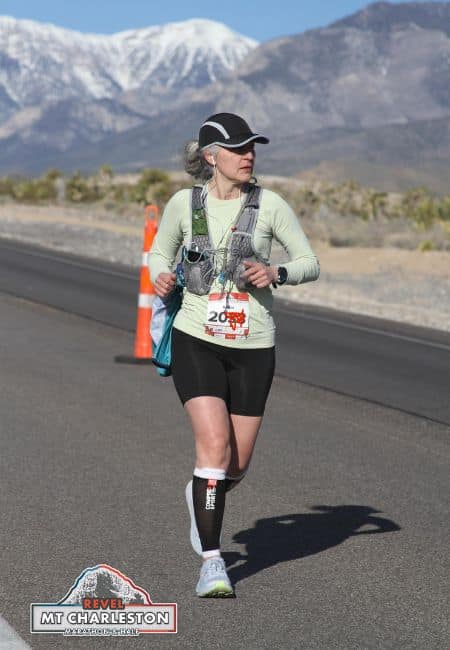
Exercise has been my primary tool for managing the psychological symptoms: the mood swings, the irritability, the brain fog.
The mental health benefits of regular physical activity cannot be overstated.
However, I quickly learned that running alone wasn’t enough.
The physiological changes—particularly declining estrogen—made me more prone to injuries.
My body didn’t recover the way it used to.
I had to adapt my approach, incorporating strength training, flexibility work, and listening to my body’s changing needs.
(I’ll write a dedicated post about injury prevention and training modifications during perimenopause in the coming weeks.)
The Advantages We Don’t Talk About
Yes, perimenopause is challenging. But it’s not all negative:
- No more pregnancy concerns (once confirmed post-menopausal)
- No more menstrual cramps or PMS
- Freedom from monthly cycle planning
- Potential for increased self-awareness and personal growth
These advantages are real—but they come with daily challenges that require planning, experimentation with supplements and lifestyle modifications, and patience with your changing body.

Why This Conversation Matters
We need to talk about perimenopause because:
- It affects every woman (who lives long enough to experience it)
- It can last for years, not months
- It impacts every aspect of life—physical health, mental health, relationships, work performance
- Knowledge is power—understanding what’s happening helps you manage it
- We deserve support—not silence and shame
Women’s health isn’t separate from women’s empowerment—it’s the foundation of it. Without our health, everything else becomes exponentially harder.
Breaking the Silence
I’m sharing my story because I wish someone had shared theirs with me seven years ago. I wish I’d known:
- That perimenopause could last this long
- That the symptoms would be this varied and intense
- That I wasn’t alone or broken
- That it was okay to talk about it
If you’re going through perimenopause, you’re not alone. If you’re approaching this phase, knowledge is your best tool. And if you know women in this stage of life, creating space for open conversation is one of the most supportive things you can do.
It’s time we stopped whispering about perimenopause and started having honest, informed conversations about this natural phase of life.
This is the first in a series of posts about my perimenopause journey. Coming soon: Managing injuries and adapting training during hormonal transitions.
What has your experience with perimenopause been like? I’d love to hear your story in the comments below.