
As women enter their 50s and beyond, the decision to continue or start running comes with its own set of unique challenges and benefits.
This blog post explores the advantages and disadvantages of running for women over 50, with a special focus on navigating this journey through perimenopause and menopause without hormone replacement therapy (HRT).
The Advantages of Running at 50+
1. Maintaining Cardiovascular Health
Running is an excellent way to keep your heart strong and your cardiovascular system in top shape, which becomes increasingly important as we age.
2. Bone Density Preservation
Weight-bearing exercises like running can help combat age-related bone loss, reducing the risk of osteoporosis.
3. Weight Management
As metabolism naturally slows with age, running can be an effective tool for maintaining a healthy weight.
4. Mental Health Benefits
Running releases endorphins, which can help combat mood swings and depression often associated with menopause.
5. Cognitive Function
Regular exercise, including running, has been linked to improved cognitive function and a reduced risk of age-related cognitive decline.
The Challenges of Running at 50+
1. Increased Recovery Time
As we age, our bodies may require more time to recover between runs and workouts.
2. Joint Stress
Running can put additional stress on joints, which may already be experiencing age-related wear and tear.
3. Hormonal Changes
Perimenopause and menopause can significantly impact energy levels, body composition, and how the body responds to training.
4. Higher Risk of Injury
Age-related loss of muscle mass and flexibility can increase the risk of running-related injuries.
5. Adapting to Body Changes
Changes in body composition and metabolism may require adjustments to running routines and expectations.
A Personal Journey: Running Through Perimenopause Without HRT
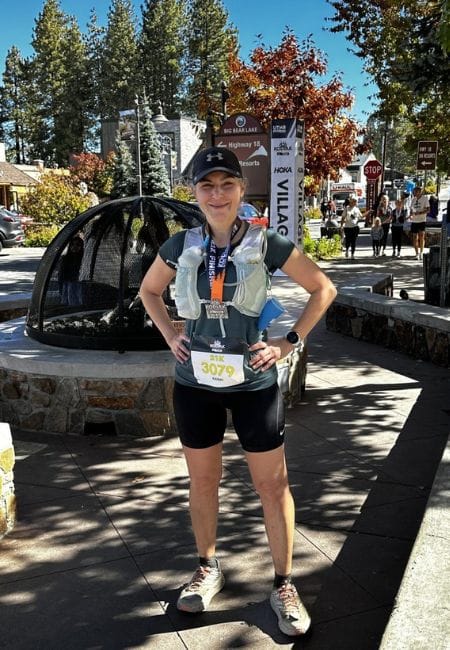
As a seasoned runner with 20 years of experience in training and racing various distances, I’ve faced my own set of challenges when perimenopause hit. The way my body responded to training changed dramatically, and I found myself at a crossroads.

When my gynecologist suggested hormone replacement therapy (HRT) to manage the symptoms, I was faced with a difficult decision.
After careful consideration of the benefits and potential drawbacks, I chose to navigate this transition without HRT.
This decision wasn’t easy, and I won’t pretend to know if it was the “right” choice for everyone. However, I can confidently say that I’m happy with my decision.
Through a combination of consistent exercise, particularly running, and maintaining a healthy diet, I’ve managed to weather the storm of perimenopause without major complications.
The journey hasn’t been without its challenges. There were times when the symptoms felt overwhelming – the energy fluctuations, body composition changes, and the dreaded brain fog.
However, I discovered that there are natural ways to combat these issues, and running played a crucial role in my coping strategy.
For those considering a similar path, here are some tips that helped me manage perimenopause symptoms naturally:
1. Consistency is Key: Stick to your running routine, even when you don’t feel like it. The endorphin boost can work wonders.
2. Listen to Your Body: Be prepared to adjust your training intensity and volume based on how you feel.
3. Focus on Nutrition: A balanced diet rich in whole foods can help stabilize energy levels and mood.
4. Prioritize Sleep: Good sleep hygiene becomes even more crucial during this time.
5. Strength Training: Incorporate resistance exercises to maintain muscle mass and bone density.
6. Mindfulness Practices: Techniques like meditation or yoga can help manage stress and mood swings.
It’s important to note that this approach requires dedication and patience. There will be tough days, but the sense of accomplishment in managing this transition naturally can be incredibly rewarding.
Remember, every woman’s journey through menopause is unique. While I chose to forego HRT, it’s a personal decision that should be made in consultation with your healthcare provider. What worked for me may not be the best path for everyone.
Whether you choose to use HRT or not, continuing to run in your 50s and beyond can offer numerous physical and mental health benefits. It’s about finding the right balance and approach that works for your body and lifestyle.
Keep running, stay strong, and embrace this new chapter of life with confidence and grace!