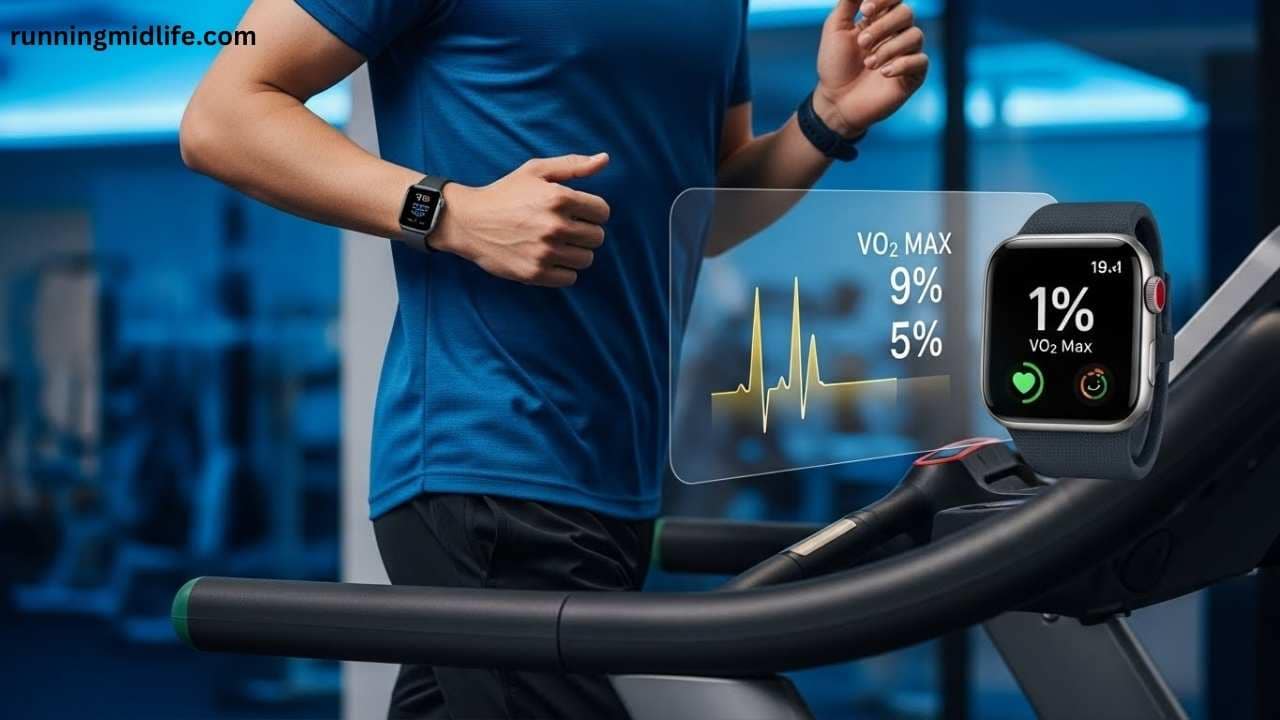
Have you noticed a sudden drop in your VO2 Max, even though you’ve been working hard to stay fit? Or perhaps, despite all your efforts with HIIT, running, or cycling, your VO2 Max seems to be going down instead of improving?
I’ve been there too. It’s frustrating to see your fitness level plateau or even decrease, especially when you’ve been pushing yourself.
The good news is, you’re not alone and the reasons why your VO2 Max is decreasing might be simpler than you think.
Whether you’ve noticed your VO2 Max decreasing even though you’re training regularly or you’ve hit a VO2 Max plateau, I’m here to explain the possible causes and how you can fix it.
Key Takeaways
-
Overtraining and lack of recovery are the most common reasons for a decrease in VO2 Max.
-
Age and genetics impact your VO2 Max, but with consistent training, you can slow down the decline.
-
Zone 2 training and HIIT workouts are the best methods to boost your VO2 Max.
-
Weight gain and poor body composition can lower your VO2 Max, so focus on fat loss and muscle building.
-
Tracking your VO2 Max with fitness devices like Fitbit or Garmin can help you stay on top of your progress and avoid setbacks.
What Is VO2 Max, and Why Does It Matter?
Before we dive into why your VO2 Max is going down, let’s briefly revisit what VO2 Max is.
VO2 Max stands for maximal oxygen uptake and is a measure of the maximum amount of oxygen your body can use during exercise. It’s often considered the best indicator of cardiorespiratory fitness and endurance. The higher your VO2 Max, the more oxygen your body can use efficiently during intense exercise, which is essential for activities like running, cycling, and swimming.
Tracking VO2 Max is crucial for understanding your aerobic capacity and how your heart, lungs, and muscles are performing during exercise. Improving your VO2 Max means improving your fitness level, energy levels, and stamina, making it easier to sustain longer workouts and improve your athletic performance.
So, when you notice that your VO2 Max is decreasing, it’s worth digging deeper to understand what’s going wrong.
Reasons Why Your VO2 Max Might Be Decreasing
1. Overtraining and Lack of Recovery
One of the most common reasons for a decrease in VO2 Max is overtraining. You might feel like you’re doing everything right working out regularly, following a training program, and pushing your body hard but without enough recovery, your body can’t adapt and improve.
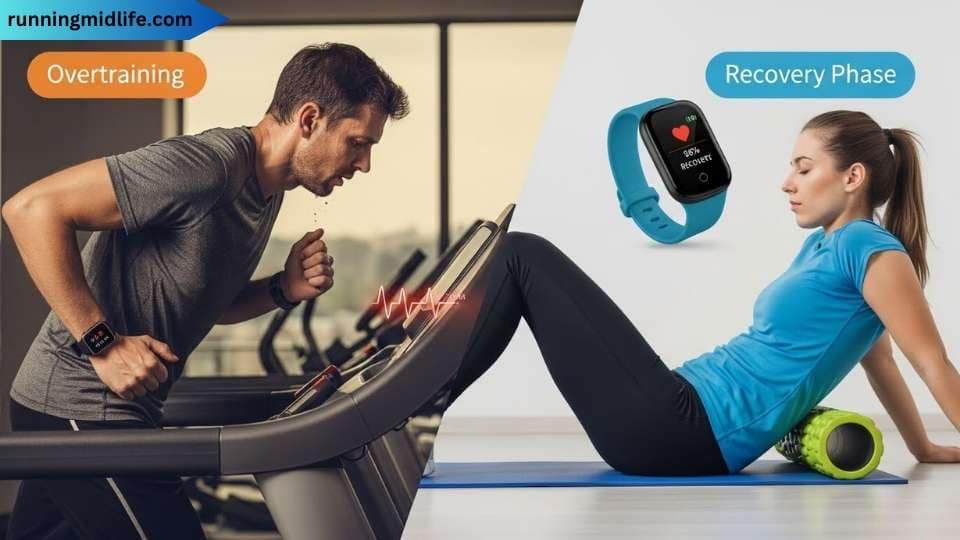
Overtraining leads to:
-
Increased fatigue
-
Decreased performance
-
Higher heart rate at rest
-
Inability to perform at the same intensity
Without sufficient recovery, your body doesn’t have enough time to repair muscles, replenish energy stores, and adapt to the intensity of your workouts. This can directly impact your VO2 Max, making it decrease.
How to Fix It:
-
Take adequate rest days between intense workouts.
-
Listen to your body and reduce workout intensity when you feel overly fatigued.
-
Include easy runs or recovery sessions in your routine to allow your body to bounce back.
2. Inconsistent Exercise Routine
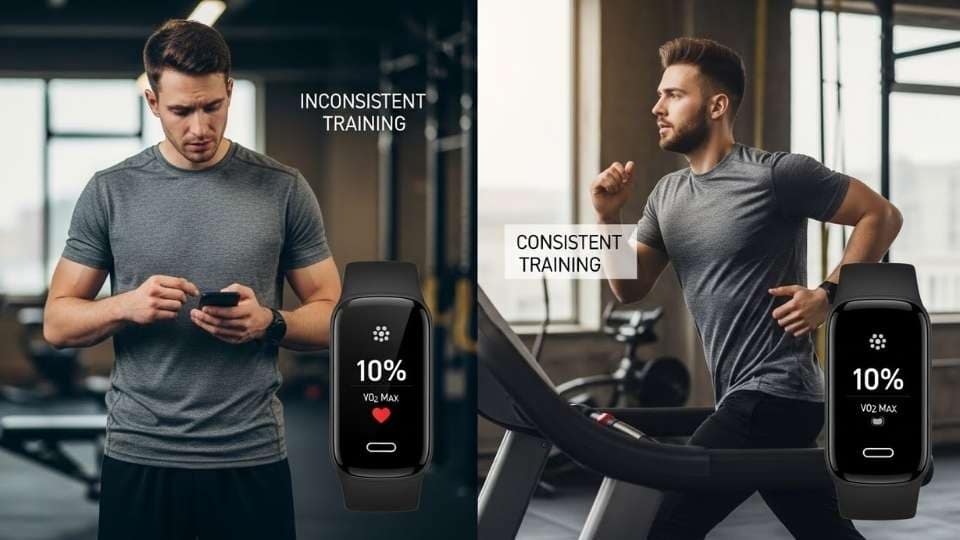
If you’ve been inconsistent with your training or have had long breaks from exercising, you may notice a dip in your VO2 Max. Your body needs consistency to build cardiorespiratory fitness, and without regular training, your fitness level can regress.
Skipping workouts or not training at the right intensity can cause a decrease in VO2 Max.
How to Fix It:
-
Stick to a consistent workout routine, incorporating HIIT and aerobic exercise.
-
Aim for at least 3-4 cardio workouts per week to maintain and improve VO2 Max.
-
Ensure you’re hitting the right exercise intensity zones (especially Zone 2 and HIIT) to see measurable improvements.
3. Sleep Deprivation
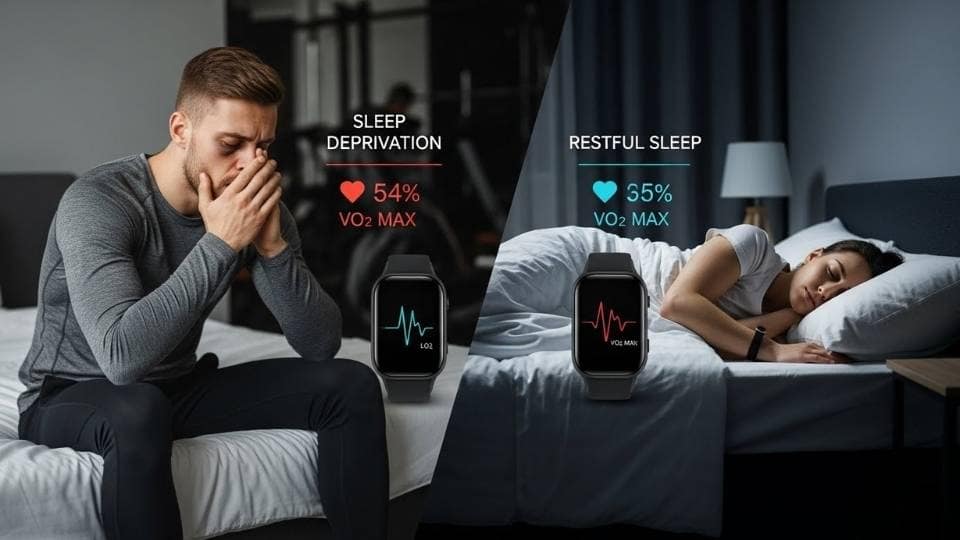
I know how easy it is to sacrifice sleep for extra training sessions, but lack of sleep can severely affect your VO2 Max. Research shows that sleep deprivation impairs cardiovascular health, affects heart rate recovery, and prevents muscle repair all of which are essential for improving VO2 Max.
How to Fix It:
-
Aim for 7-9 hours of sleep per night for optimal recovery and fitness.
-
Focus on improving sleep quality (e.g., limit screen time before bed, keep your room cool and dark, and maintain a consistent sleep schedule).
4. Poor Nutrition and Hydration
Your body needs the right fuel to function optimally, especially when it comes to VO2 Max. Poor nutrition can hinder your energy levels, impact your ability to sustain high-intensity workouts, and affect oxygen delivery to your muscles during exercise.
In addition, hydration plays a key role in cardiovascular performance. Dehydration can cause your heart rate to spike and decrease your performance during workouts, leading to lower VO2 Max estimates.
How to Fix It:
-
Eat a balanced diet that includes carbohydrates (for energy), protein (for muscle repair), and healthy fats.
-
Drink plenty of water to stay hydrated, especially before, during, and after your workouts.
-
Consider consuming a pre-workout snack that provides easily accessible energy (like a banana or a small smoothie) before intense exercise.
5. Aging and Genetic Factors
As much as we’d like to deny it, age plays a role in VO2 Max. Your VO2 Max naturally declines as you age, especially after the age of 30. Genetics also plays a part, determining your VO2 Max potential and how easily you can increase it.
While age and genetics are factors we can’t control, they don’t mean you’re destined for a low VO2 Max. With the right training, you can slow down the decline and improve your cardiorespiratory fitness.
How to Fix It:
-
Even though age slows your ability to increase VO2 Max, you can still maintain it or slow the decline with consistent training.
-
Focus on regular aerobic exercises and strength training to maintain overall cardiovascular health.
-
Include HIIT and interval training to counteract age-related declines in VO2 Max.
6. Weight Gain and Changes in Body Composition
As you gain weight, especially body fat, it can decrease your VO2 Max because your body has to work harder to supply oxygen to a larger mass. Body composition plays a role in aerobic fitness more muscle means better oxygen usage, while excess fat can limit your VO2 Max.
How to Fix It:
-
Focus on losing body fat and increasing lean muscle mass through strength training and aerobic exercise.
-
Maintain a healthy body composition by staying active, eating nutritious foods, and engaging in high-intensity workouts.
7. Illness or Injury
If you’ve been sick or injured, it’s likely that your VO2 Max has taken a hit. During periods of illness or recovery, your body uses more energy to heal and repair, reducing your fitness level and aerobic capacity.
How to Fix It:
-
If you’ve been sick or injured, ease back into your workout routine slowly.
-
Once cleared by your doctor, focus on low-intensity exercise to rebuild your cardiorespiratory fitness.
-
Listen to your body and allow adequate recovery time to avoid setbacks.
How to Reverse Your VO2 Max Decrease
If you’ve noticed your VO2 Max declining, don’t panic! It’s often possible to reverse the decrease with the right approach.
-
Return to Consistent Training: Stick to a regular workout routine, especially focusing on HIIT and Zone 2 training.
-
Focus on Recovery: Ensure you’re getting enough sleep, nutrition, and hydration to support your training.
-
Gradually Increase Exercise Intensity: Use a combination of interval training and steady-state aerobic exercise to boost VO2 Max.
-
Monitor Your Progress: Use a fitness tracker (like Fitbit, Garmin, or Apple Watch) to regularly monitor your VO2 Max score and ensure you’re staying on track.
Summary
Seeing my VO2 Max decrease was frustrating, especially after working so hard to improve it. But once I understood the reasons behind it, I realized I could take control. Whether it’s overtraining, lack of sleep, or just not pushing the right intensity, there’s always a solution. By focusing on interval training, improving recovery, and staying consistent, you can improve your VO2 Max and get back on track to better cardiorespiratory fitness.
FAQs
What causes my VO2 Max to decrease?
Overtraining, lack of recovery, poor nutrition, and sleep deprivation can all cause a decrease in VO2 Max.
Can I reverse a decrease in my VO2 Max?
Yes! Consistent training, adequate recovery, and focusing on HIIT or Zone 2 training can help improve your VO2 Max.
How can I monitor my VO2 Max?
You can track VO2 Max with fitness trackers like Fitbit, Garmin, or Apple Watch, which estimate your cardiorespiratory fitness.
Why does my VO2 Max decrease even though I’m still exercising regularly?
Overtraining, insufficient rest, or poor sleep might be preventing your body from fully adapting and improving VO2 Max.
How can I increase my VO2 Max?
Incorporating aerobic exercises like HIIT, interval training, and endurance workouts will help increase your VO2 Max.
Can my VO2 Max decrease with age?
Yes, VO2 Max naturally declines with age, but regular cardio exercise can slow down this decline.
What role does recovery play in improving VO2 Max?
Proper recovery allows your body to adapt, repair, and build endurance, directly impacting your VO2 Max improvement.